UK Gambling Transactions Jump 7% in January 2026 Amid Sports Anticipation and Rising Harm Concerns
UK Gambling Transactions Jump 7% in January 2026 Amid Sports Anticipation and Rising Harm Concerns

Early 2026 Surge Captures Attention in March Reports
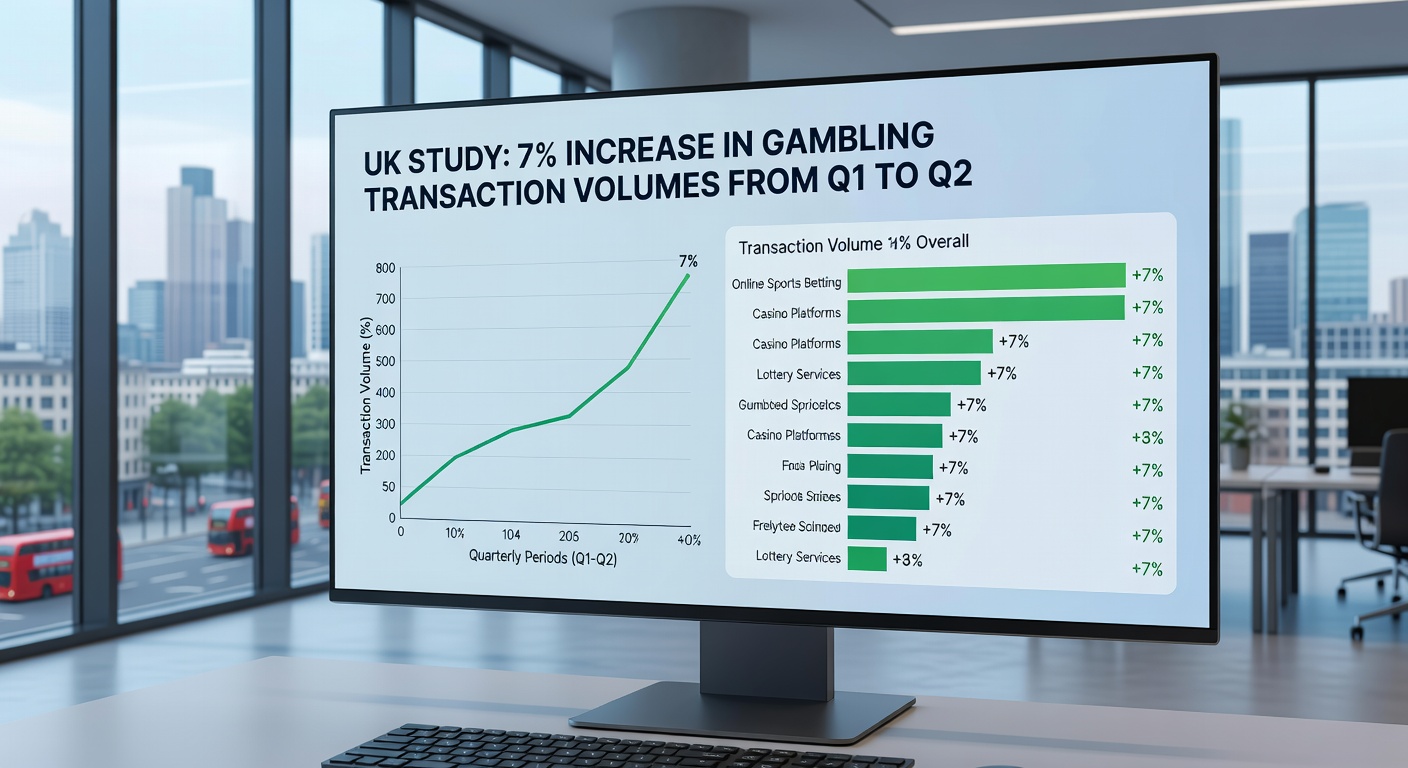
A fresh UK study, released in early March 2026, spotlights a notable uptick in gambling activity right at the start of the year, with transaction volumes climbing 7% from 9.98 million in January 2025 to 10.70 million in January 2026, while spending rose 9% from £205.3 million to £224.6 million; this comes as bettors gear up for a stacked sports calendar including the FIFA World Cup and Champions League fixtures. Researchers behind the analysis, drawing from comprehensive market data, note how these figures reflect heightened engagement even before major events kick off, and that's significant because January typically sets the tone for annual trends. Observers point out that such increases often correlate with seasonal excitement, yet the report flags concurrent worry signals that demand attention.
What's interesting here is the timing; published amid March 2026 discussions on gambling regulation, the findings land when policymakers and industry watchers scrutinize pre-event patterns, especially with global tournaments on the horizon drawing millions of punters. Data like this doesn't emerge in a vacuum, since past years have shown similar spikes tied to football fever, and experts who've tracked the sector for years observe that early-year jumps can snowball if unchecked.
Transaction Volumes and Spending Break Down the Boom
The core stats paint a clear picture: gambling transaction volumes hit 10.70 million in January 2026, marking that 7% increase over the prior year's 9.98 million, according to the study's detailed breakdown; spending followed suit, surging 9% to £224.6 million from £205.3 million, which underscores not just more bets but bigger stakes per punter. Those who've analyzed similar datasets know this dual rise signals robust market activity, particularly when layered against anticipation for 2026's blockbuster sports slate.
And while volumes capture the sheer number of wagers placed across online platforms, casinos, and sportsbooks, the spending hike reveals deeper pockets opening up, perhaps fueled by promotional offers or the buzz around upcoming matches; take football enthusiasts, for instance, who often ramp up ahead of World Cup qualifiers, pushing averages higher. Reports like this one highlight how such growth, although welcome for operators, coincides with broader economic pressures that can amplify risks for some participants.
But here's the thing: these aren't isolated numbers, since they stem from aggregated data across licensed UK operators, providing a snapshot that's both reliable and reflective of real-time shifts; researchers emphasize that January's performance, coming off holiday lulls, often predicts the year's trajectory, especially with Champions League drama and FIFA showpieces looming large.
Survey Reveals 68% of Gamblers Eye More Bets in 2026
Complementing the hard transaction data, a survey of 2,000 UK gamblers uncovered that 68% intend to wager more throughout 2026, a figure that aligns neatly with the observed January surge and points to sustained momentum; this polling, part of the same study, captures sentiment as bettors look ahead to packed schedules filled with high-stakes football. People who've followed gambler behavior note how such intentions often translate into action, particularly when major events like the FIFA World Cup dominate headlines and apps alike.
Turns out, this optimism—or at least willingness to bet heavier—stems from familiar patterns, since surveys in previous years have shown similar pre-event hype leading to real spending lifts; yet the data also layers in nuance, revealing how economic factors and event calendars intertwine to shape decisions. For context, those 2,000 respondents represent a cross-section of regular bettors, from casual fans to frequent players, making the 68% projection a solid indicator of what's to come.
Harm Signals Emerge Early: Chasing Losses and Bill Coverage
Alongside the growth metrics, the report flags early harm indicators that observers can't ignore, such as 10% of surveyed gamblers admitting to chasing losses—a classic red flag where punters double down after setbacks—and 17% confessing they gamble to cover everyday bills; these percentages, drawn from the 2,000-person poll, suggest vulnerabilities bubbling up even as volumes climb. GamCare, the prominent support service, reported a striking 48% jump in treatment referrals during the same period, per the analysis released in March 2026, which ties directly to those self-reported struggles.
It's noteworthy that these signals appear in January, well before peak event seasons, because that's when baseline risks can escalate without the distractions of live matches; experts who've studied addiction patterns observe that chasing losses often spirals during quiet periods, while using gambling winnings for bills blurs lines between recreation and necessity. And since GamCare's referral spike hit 48%, it mirrors heightened demand for help, with calls and online chats surging as awareness campaigns coincide with data releases.
One case researchers highlight involves patterns from past World Cups, where harm reports climbed post-event, but here the proactive flags—like that 17% bill-coverage rate—allow for earlier interventions; those in the field stress how such stats, although concerning, equip support networks to scale up before tournaments turn up the heat.
Sports Calendar Fuels the Fire: World Cup and Beyond
The January uptick doesn't happen by chance, since it builds on hype for 2026's marquee events—the FIFA World Cup, with its global draw, and expanded Champions League action that keeps European football front and center; bettors, sensing the action ahead, start positioning early, which explains both the transaction volume leap and spending growth. Data indicates football remains the dominant driver, accounting for the lion's share of UK gambling activity, and with these tournaments on deck, observers expect the trend to accelerate.
Yet while the excitement is palpable—think packed pubs on match days and apps buzzing with live odds—the study reminds everyone that big events amplify everything, including risks; past cycles show World Cup years delivering record volumes, but also straining support services like GamCare, whose 48% referral increase serves as a timely alert. It's not rocket science: when the ball's in play for months on end, engagement soars, and so do the stakes for vulnerable punters.
Now, as March 2026 unfolds with regulatory reviews underway, these January figures position the industry at a crossroads, balancing commercial wins against harm mitigation; researchers who've crunched similar pre-event data know the writing's on the wall—proactive measures could temper the downsides while the party rages on.
Conclusion
In wrapping up the picture from this UK study, transaction volumes up 7% to 10.70 million and spending ahead 9% to £224.6 million in January 2026 set a vigorous pace, fueled by 68% of surveyed gamblers planning heavier bets amid FIFA World Cup and Champions League anticipation; at the same time, 10% chasing losses, 17% betting for bills, and GamCare's 48% referral surge underscore emerging harm signals that March 2026 reports bring into sharp focus. Those tracking the sector see these intertwined trends as a call to vigilance, ensuring the sports-driven boom benefits most without unintended fallout; the data speaks volumes, and with events approaching, the next months will reveal how patterns hold.