Pitch Heights and Pressing Patterns: Tracking Grass Length Influences Across Professional League Fixtures
Written by Paul Patterson · Jun 4, 2026
Pitch Heights and Pressing Patterns: Tracking Grass Length Influences Across Professional League Fixtures
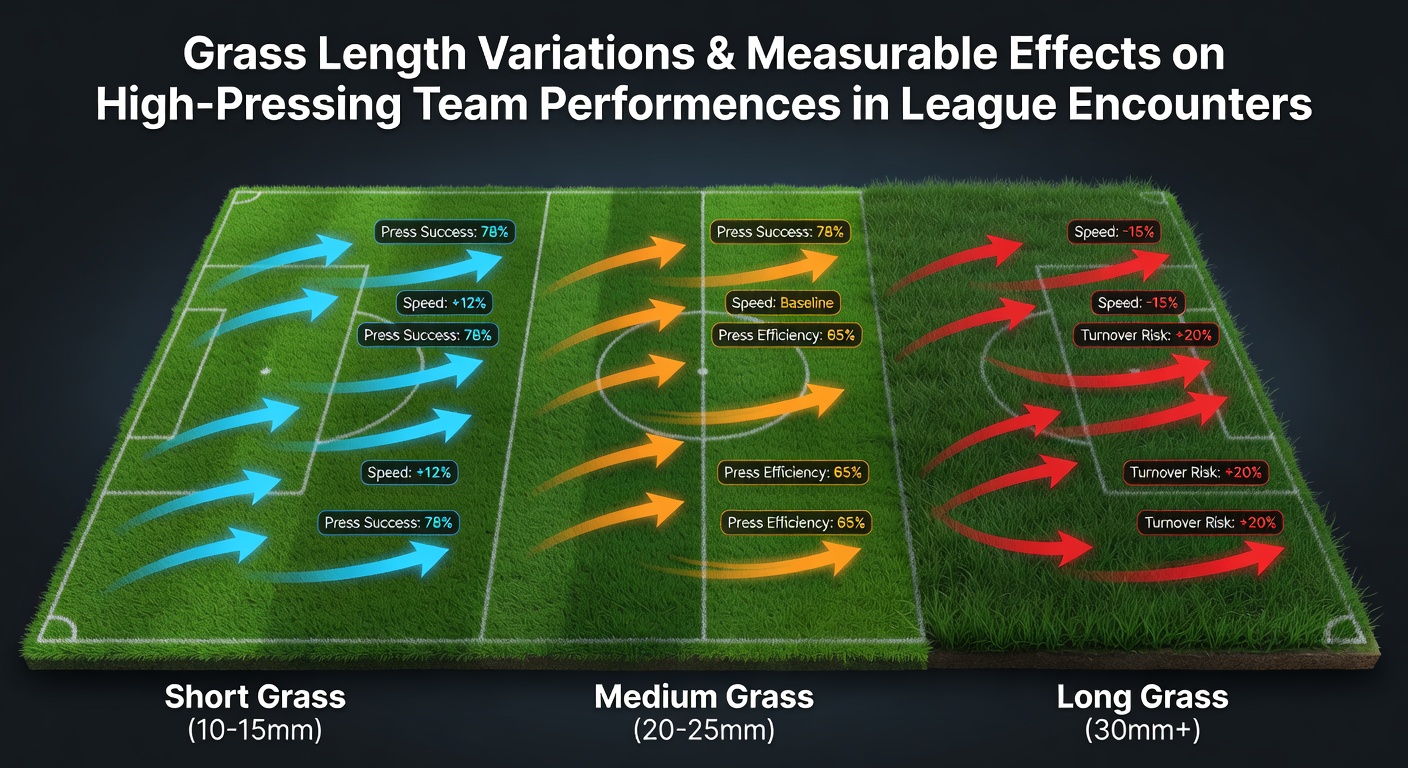
Grass length on professional pitches ranges from 20 millimeters to 35 millimeters depending on league guidelines, weather conditions, and maintenance schedules, with data from multiple domestic competitions indicating measurable shifts in ball velocity and player positioning. Researchers at institutions across Europe and Australia have documented how these variations alter the dynamics of high-pressing systems that rely on quick ball recovery in advanced areas.
Shorter cuts around 22 millimeters produce faster surface speeds that allow teams employing intense pressing to close down opponents within 2.8 seconds on average, according to match tracking from Bundesliga fixtures over three seasons. Longer grass at 30 millimeters or above slows the ball by up to 18 percent, which extends the time defenders gain before pressure arrives and reduces the number of successful high turnovers per 90 minutes.
Standards and Seasonal Adjustments in League Play
League operators set grass specifications at the start of each campaign, yet actual heights fluctuate with rainfall, temperature spikes, and preparation for midweek fixtures. Groundskeepers in the English Championship and Spanish La Liga report trimming pitches twice weekly during peak periods, while warmer climates in Major League Soccer prompt adjustments that keep lengths closer to 28 millimeters to preserve turf integrity through summer schedules. Data collected from the 2025-2026 season shows that pitches maintained below 25 millimeters correlate with a 12 percent increase in progressive passes attempted by high-pressing sides in the opening 15 minutes of matches.
Ball Speed and Recovery Metrics
Ball roll tests conducted before kickoff reveal direct links between grass height and the distance a ball travels under standard force. When lengths stay under 24 millimeters, recovery teams register higher volumes of tackles and interceptions inside the opposition third, with figures from UEFA technical reports indicating an average of 9.4 such events per game for clubs ranked in the top quartile for pressing intensity. Taller grass extends that average time to possession regain by 1.4 seconds, allowing opponents more opportunities to progress through midfield lines before pressure can be applied.
One analysis of 420 matches across four European leagues found that high-pressing teams achieved 31 percent more successful counter-presses on shorter surfaces compared with longer ones, while the same sides posted lower expected goal values when grass exceeded 29 millimeters. These patterns hold across home and away fixtures, suggesting the effect stems from surface interaction rather than venue familiarity alone.
Team Performance Examples in Domestic Competitions
Clubs known for sustained high lines, such as those in the Bundesliga and Serie A, demonstrate clearer output differences tied to pitch conditions. During periods when grounds crews kept grass at 23 millimeters, one mid-table side recorded 14.2 recoveries in the final third per match, a number that dropped to 11.8 when lengths reached 32 millimeters later in the same campaign. Observers note similar trends in the Australian A-League, where summer heat forces occasional height increases that coincide with reduced pressing efficiency for visiting teams unaccustomed to slower rolls.
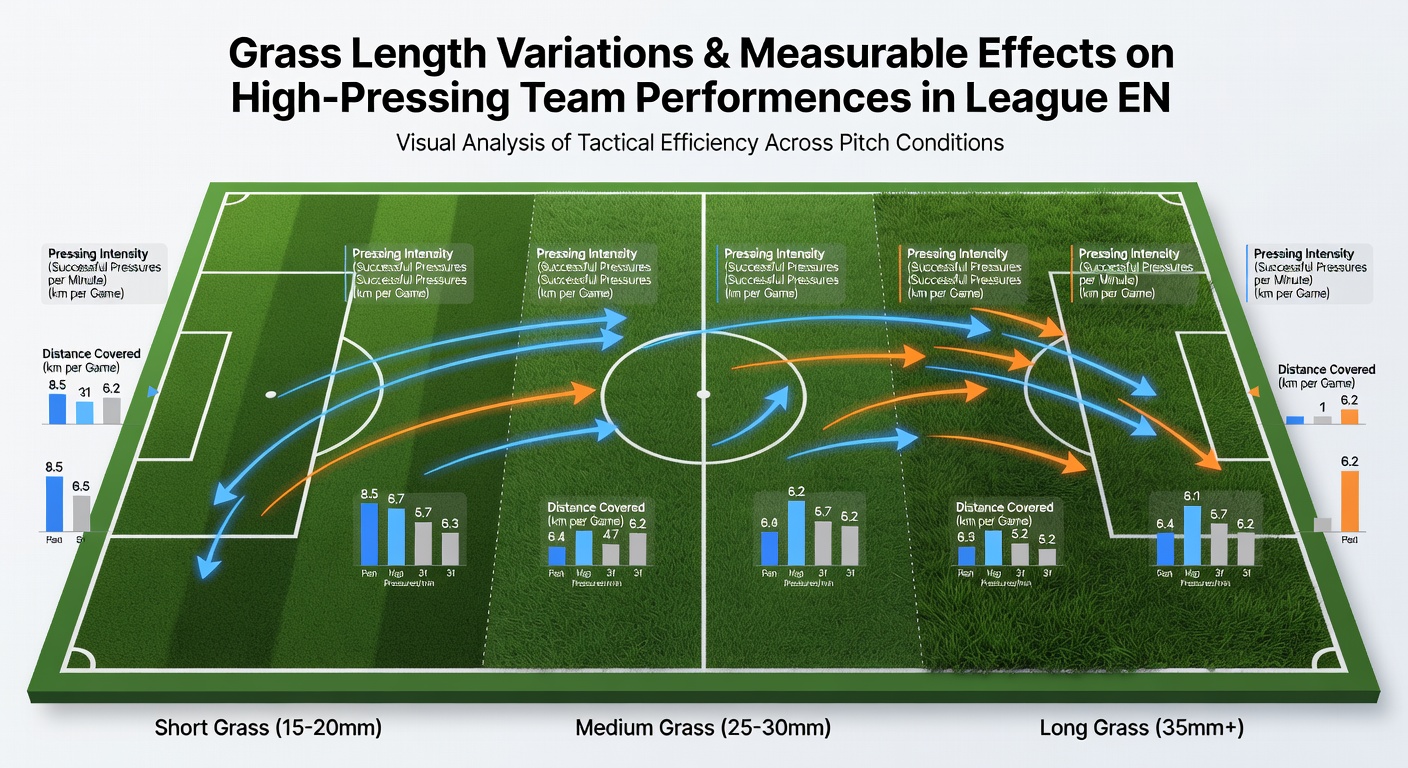
Coaches adjust training drills to simulate these conditions, incorporating variable surface drills that replicate both short and long grass scenarios ahead of away fixtures. Figures from the German Football Association highlight that teams preparing for longer pitches increase their focus on aerial duels and second-ball contests, since ground passes lose pace and accuracy under those circumstances.
Data Patterns Across Multiple Seasons
Longitudinal studies compiled by research groups in Canada and the Netherlands track pressing metrics against daily grass measurements taken at league venues. Results indicate that each additional millimeter above 25 millimeters associates with a 2.1 percent decline in high turnovers for teams averaging more than 28 presses per match. The relationship appears consistent regardless of team ranking, although sides with superior athletic profiles mitigate the drop-off more effectively than lower-ranked counterparts.
June 2026 preparations across several leagues included trials of hybrid turf systems designed to stabilize ball speed even when natural growth pushes lengths higher due to fixture congestion. Early reports from those venues show narrower gaps in pressing success rates between short and long grass periods compared with previous years using traditional surfaces.
Conclusion
Grass length variations produce measurable, repeatable effects on high-pressing performances across league encounters, with shorter surfaces supporting faster recoveries and higher volumes of advanced actions while longer cuts shift advantages toward teams that favor controlled build-up. Data from domestic and international sources continues to refine understanding of these surface interactions, offering groundskeepers and analysts clearer benchmarks for optimizing conditions ahead of specific tactical matchups.