Miles Matter: Tracking How Travel Fatigue Shifts Away Results in Overloaded Competition Calendars
Written by Henrik Patterson · May 28, 2026
Miles Matter: Tracking How Travel Fatigue Shifts Away Results in Overloaded Competition Calendars
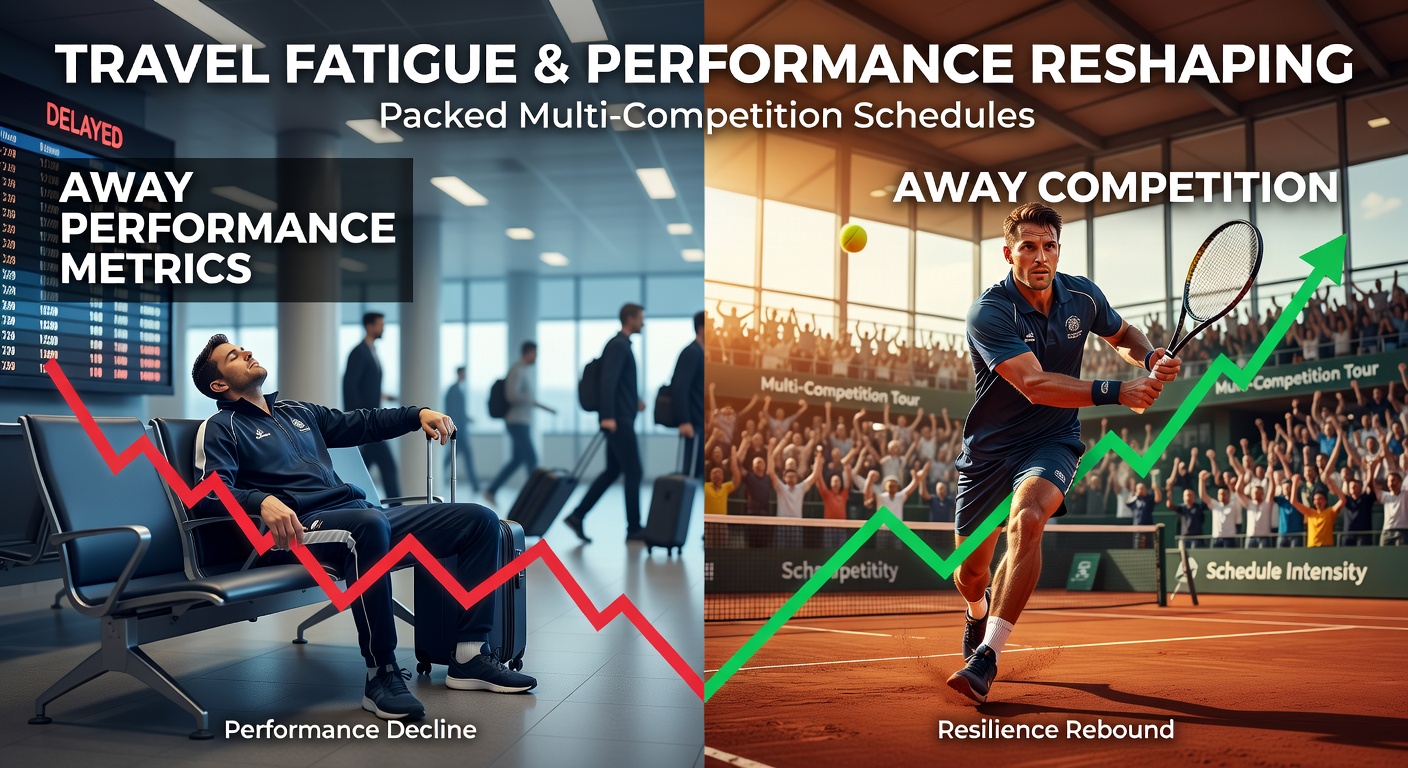
Travel fatigue has emerged as a measurable factor reshaping away performance metrics when teams navigate packed multi-competition schedules that span domestic leagues and continental tournaments. Data from recent seasons shows consistent dips in key indicators such as distance covered per player, successful passes in the final third, and defensive actions during away fixtures that follow long-haul journeys or quick turnarounds. Observers note that these patterns intensify when clubs balance fixtures across multiple time zones and climates within short windows.
Defining Travel Fatigue in Modern Football Contexts
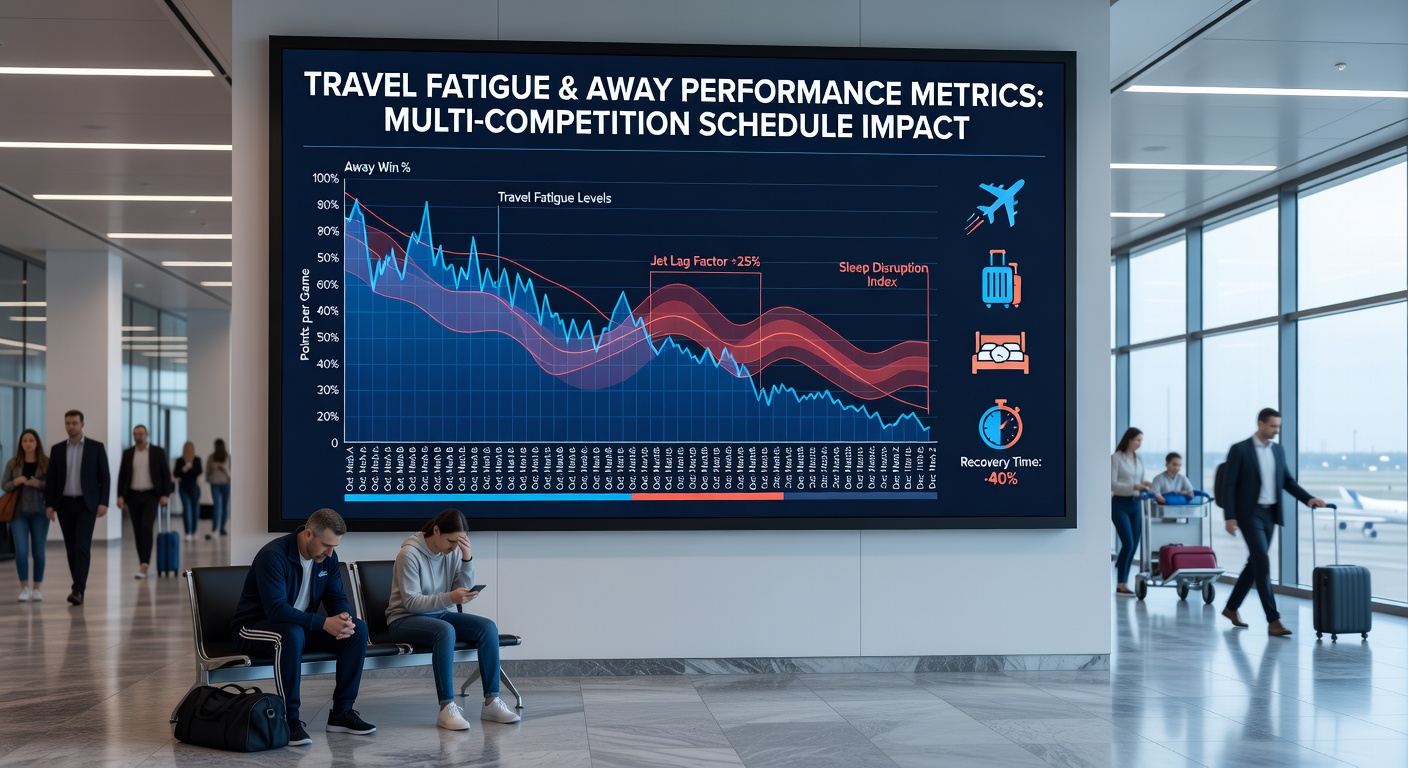
Travel fatigue encompasses the cumulative physical and cognitive strain from flights, bus transfers, disrupted sleep cycles, and meal irregularities that accompany away matches. Researchers at institutions like the University of Barcelona have documented how these elements compound in schedules where teams play midweek European ties followed by weekend league games. Metrics collected through GPS tracking systems reveal that players often log 15-20% less high-intensity running in such scenarios compared to home performances or well-rested away outings.
Those who've analyzed match data across major European leagues find that recovery windows shorter than 72 hours amplify the effect, particularly for squads traveling beyond 1,000 kilometers. The reality is that circadian rhythm disruptions from eastward or westward flights correlate with elevated error rates in possession retention and set-piece execution during the first half of away contests.
Performance Metrics Under Pressure
Studies tracking Premier League and Champions League overlaps indicate specific shifts in away statistics. Teams averaging more than four hours of flight time per trip show reduced pressing intensity, with successful tackles dropping by an average of 12% in post-travel games. Pass completion rates in midfield zones also decline, while aerial duel wins decrease as fatigue sets in during the later stages of matches.
What's interesting is how these changes manifest differently by position. Full-backs and wingers exhibit the most pronounced reductions in sprint frequency, whereas central defenders maintain steadier outputs but commit more fouls under pressure. Data indicates that goalkeepers experience subtler impacts, though distribution accuracy suffers when matches occur within 48 hours of long-distance travel.
Multi-Competition Overlaps and Fixture Density
Packed calendars create repeated instances where travel fatigue intersects with high-stakes demands. When clubs progress deep into cup competitions alongside league play, away metrics across the board reflect the toll. Figures from the 2024-2025 season demonstrate that sides competing in three or more fronts record 8-10% lower expected goal values in away legs scheduled shortly after continental travel.
And yet patterns emerge beyond raw distance. Teams facing back-to-back away fixtures separated by short recovery periods also post elevated rates of yellow cards and substitutions earlier in games. This aligns with findings from sports science reports that link accumulated fatigue to decision-making lapses under fatigue.
Looking Ahead to Schedule Adjustments in 2026
Adjustments to international calendars beginning in May 2026 aim to address some of these strains through revised rest protocols and regional grouping in early tournament stages. Governing bodies have signaled intentions to cluster fixtures geographically where possible, which could moderate the most extreme travel demands. Industry organizations such as those affiliated with FIFA's technical studies note that such changes might stabilize away performance baselines if implemented consistently across confederations.
Still, domestic and European schedules retain dense clusters that test even well-resourced squads. Teams with larger squads and advanced recovery facilities tend to mitigate metric drops more effectively, while smaller rosters show sharper declines in key areas like shots on target during away games.
Conclusion
Travel fatigue continues to influence away performance metrics in measurable ways across packed multi-competition schedules. Objective data from tracking systems and match analyses highlight consistent patterns in physical output, technical execution, and error rates that vary with travel distance, recovery time, and fixture clustering. As calendars evolve into 2026 and beyond, monitoring these indicators provides clearer insights into how teams adapt within demanding environments.