Fixture Congestion's Toll on Elite Football Metrics and Its Implications for Midweek Markets
Written by Xander Becker · Jul 14, 2026
Fixture Congestion's Toll on Elite Football Metrics and Its Implications for Midweek Markets
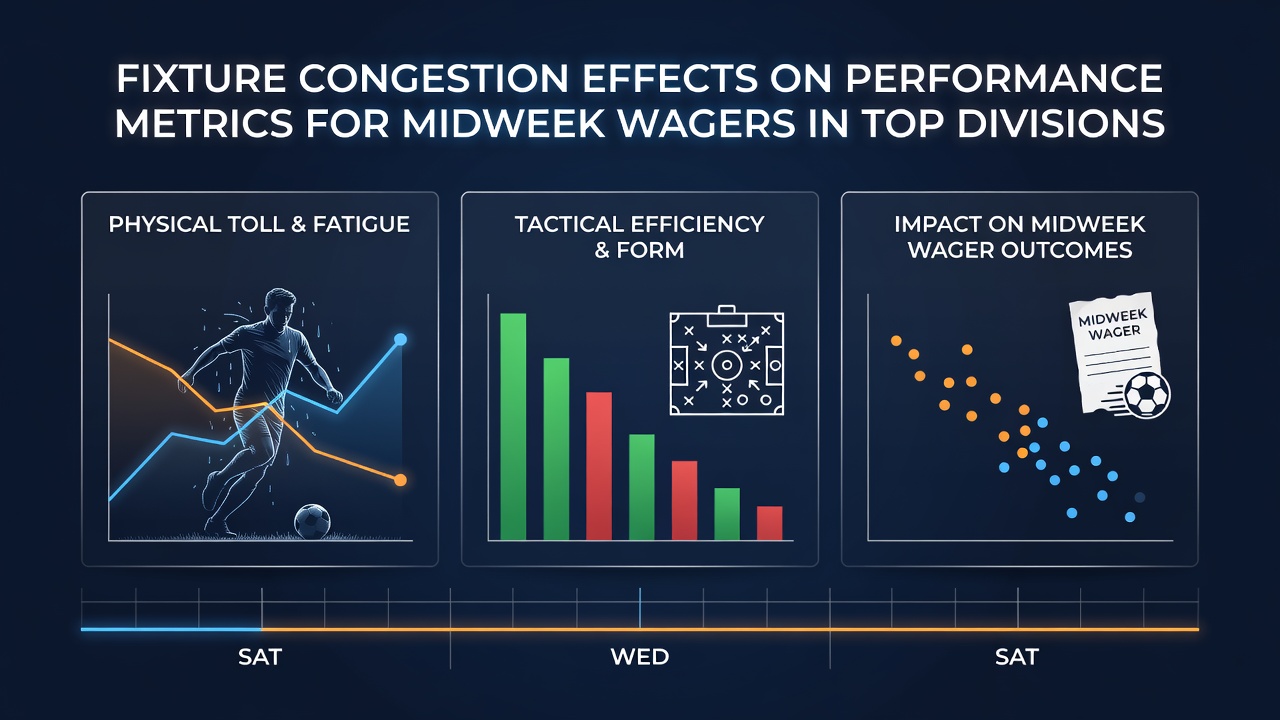
Top division schedules pack multiple competitions into tight windows, and fixture congestion emerges as a measurable factor that alters player output across key performance indicators. Teams competing in domestic leagues alongside European tournaments face sequences where recovery periods shrink to forty-eight hours or less, and data from tracking systems consistently records declines in total distance covered, high-intensity sprints, and pass completion rates during subsequent fixtures.
Patterns Observed in Congested Periods
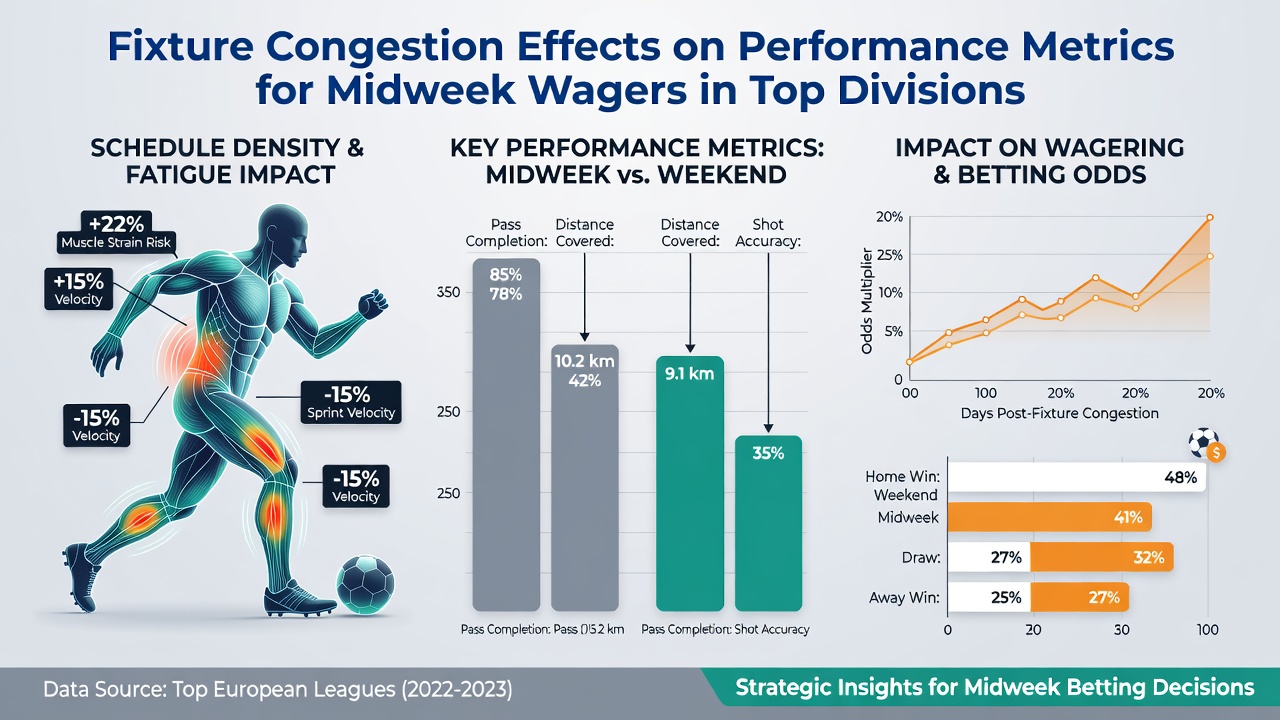
Analyses of Premier League, La Liga, and Serie A campaigns show that squads playing three matches in eight days register average reductions of eight to twelve percent in sprint distance per player compared with standard weeks. Researchers at institutions such as the University of Groningen have documented these shifts through GPS data, noting that central midfielders experience the steepest drops because they accumulate the highest workloads in both pressing and transitional phases. The same studies indicate that teams rotate personnel more aggressively in such blocks, yet even rested players display elevated heart-rate recovery times that correlate with lower work rates in the opening thirty minutes of follow-up contests.
Performance metrics shift further when matches spill into midweek slots. League games scheduled on Tuesdays or Wednesdays often precede Saturday fixtures, and statistical reviews reveal a measurable uptick in unforced errors and reduced duel success rates during those weekend encounters. One study that examined five consecutive European seasons found that sides advancing deep into midweek tournaments posted win percentages roughly four points lower in the immediate domestic round, while draw frequencies rose correspondingly.
Impact on Betting Markets for Midweek Wagers
Midweek markets adjust as bookmakers incorporate congestion variables into odds compilation. Totals markets frequently move toward the under when fixtures follow European exertions, because goal tallies decline amid slower build-up play adn fewer entries into the final third. Handicap lines widen for squads returning from continental travel, reflecting documented increases in turnovers and set-piece concessions. Those who monitor player-tracking platforms note that late substitutions become more common, which in turn affects in-play markets that price individual goal contributions or card counts.
July 2026 schedules already signal similar pressures ahead of the expanded Club World Cup cycle, with pre-season tours and early qualifiers compressing preparation windows for several top-division clubs. Early indications from training-load monitoring suggest that teams entering the new campaign with abbreviated breaks carry residual fatigue markers into August league rounds, a pattern that historically influences opening-week totals and handicap selections.
Regional Variations Across Top Divisions
Differences appear when comparing leagues with varying travel demands. Bundesliga clubs, for instance, face shorter domestic journeys yet still record comparable fatigue spikes after Champions League midweeks, according to figures compiled by the German Football League's medical committee. In contrast, Serie A sides navigating southern European routes often log additional flight hours, and external reports from the Australian Institute of Sport have highlighted parallels in recovery timelines for other multi-competition codes. These geographic nuances feed into market pricing, where overs and unders shift more sharply for teams with documented longer travel burdens.
Substitution patterns provide another layer of insight. Managers increase bench usage by an average of 1.2 players per match during congested stretches, and those introduced players contribute measurable late surges in pressing intensity that occasionally flip in-play odds. Data aggregators that publish detailed event logs allow bettors to cross-reference these rotations against historical outputs, revealing which squads maintain higher second-half metrics despite fixture density.
Conclusion
Fixture congestion registers clear effects on performance metrics that extend into midweek and weekend betting environments across Europe's elite divisions. Tracking data, league medical reports, and competition calendars together supply the factual basis for understanding how reduced recovery windows translate into altered distances, error rates, and goal probabilities. Observers who integrate these elements into market analysis encounter structured patterns rather than random variance, and the approach remains grounded in verifiable outputs from established research and governing bodies.