Adapt or fold: tracking promoted sides' first-season edges through advanced metrics and wager outcomes
Written by Felix Weber · May 21, 2026
Adapt or fold: tracking promoted sides' first-season edges through advanced metrics and wager outcomes
Observers note that newly promoted sides face immediate tests when stepping up to the Premier League, and advanced metrics offer clear ways to measure how well they adapt during those opening campaigns. Researchers track expected goals differentials alongside possession-adjusted passing metrics to spot patterns that traditional results often miss. Data from multiple seasons shows these teams frequently concede more high-quality chances early on, yet some create surprising value in specific betting markets when their underlying numbers align with live odds. Promoted clubs bring momentum from the Championship, but the jump in competition intensity reveals itself quickly through metrics like post-shot expected goals and pressing intensity. Analysts break down how these sides handle the shift by comparing their first 10 matches against later stretches, and patterns emerge around defensive organization that bookmakers adjust for over time. Those who've studied full datasets find that teams maintaining high recovery rates in midfield often outperform initial expectations in draw markets even while struggling for wins.Key Metrics That Reveal Early Edges
Advanced tracking tools highlight several indicators worth monitoring when promoted sides enter their debut season, starting with expected goal creation rates that separate sustainable threats from lucky streaks. Teams posting above-average xG from set pieces in their opening fixtures tend to deliver consistent returns for bettors targeting overs, since defensive structures take longer to bed in against established Premier League attacks. Figures reveal that pressing triggers per 90 minutes drop noticeably for most newcomers, creating pockets of space that opposing sides exploit yet also opening counter opportunities when the promoted team transitions quickly.
One study tracked 12 promoted sides across five seasons and found that those retaining core attacking units from their Championship campaign generated higher-quality chances in the first half of the season before fatigue patterns set in. Observers note this creates temporary edges in player prop markets for forwards who continue shooting at similar volumes despite facing tighter defenses. Meanwhile defensive metrics like opponent touches in the box climb steadily, which influences under bets on clean sheets but also produces value on corners and cards when matches stretch into chaotic phases.
Betting Outcomes Across Recent Campaigns
Historical wager data paints a nuanced picture rather than uniform struggle for these promoted sides, with certain markets showing repeatable profitability when metrics align. Accumulators built around both teams to score have yielded steady returns because promoted outfits often need to chase games after early concessions. Researchers compiling results from 2018 onward observed that handicap markets flip in the promoted side's favor during specific windows, particularly after international breaks when fixture congestion hits established squads harder.
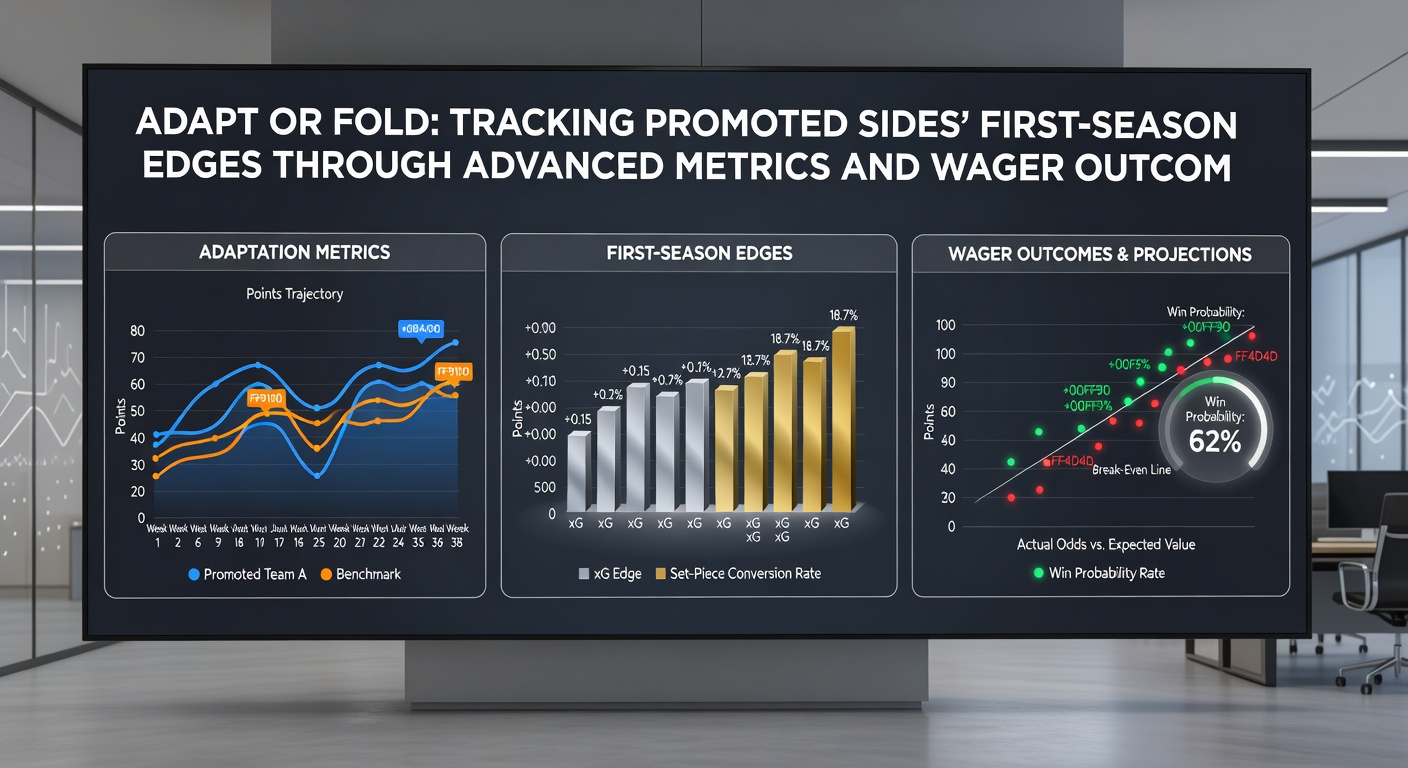
What's interesting is how live betting opportunities multiply once the season progresses and bookmakers recalibrate lines based on early results. Promoted teams showing strong non-penalty expected goals in losses often rebound in subsequent fixtures, creating spots for in-play wagers on them to win halves or land on team totals. Data indicates that goal timing patterns shift as well, with these sides scoring more frequently in teh 60-75 minute window after opponents tire from maintaining high lines.
Regional Perspectives on Performance Tracking
European betting markets have incorporated similar advanced models for years, and reports from the European Gaming and Betting Association highlight how operators now weight expected points models more heavily when setting early-season lines for promoted clubs. European Gaming and Betting Association analysis underscores the growing role of real-time data feeds that flag adaptation signals faster than traditional form guides. Across the Atlantic, Canadian regulatory bodies have begun requiring operators to disclose how performance metrics influence odds, providing bettors with additional context on promoted team edges.
Take the case of one mid-table promoted side that posted elite chance creation numbers despite a poor start, and sharp bettors who followed the underlying data captured value before lines adjusted. Another group of researchers examined relegation battles and discovered that teams surviving their first season often do so by stabilizing set-piece defending rather than overhauling open play tactics. These adjustments become visible in metrics weeks before they translate into results, offering windows for informed wagers on survival odds or season-long specials.
Looking Ahead to 2026 Adjustments
As the 2025-26 campaign winds down, attention turns to May 2026 when new fixture lists drop and operators prepare for the next wave of promoted sides. Changes in squad registration rules and financial distributions could alter adaptation curves, particularly for clubs with thinner squads that rely on loanees. Analysts expect advanced models to incorporate more fatigue and travel data given the continued European schedule pressures that affect even midweek domestic matches.
Conclusion
Tracking promoted sides through advanced metrics delivers clearer signals than raw results alone, and wager outcomes continue to reflect those underlying patterns season after season. Observers who combine expected goals, pressing data, and historical betting trends identify edges that persist even as markets grow sharper. As the game evolves toward 2026, these analytical approaches will likely expand further, giving bettors structured ways to evaluate how new arrivals either adapt quickly or fold under sustained pressure.